
learn about quality control in industrial construction: concrete testing, welding, leveling, and installations to ensure safety and efficiency.
in industrial construction, quality control is a determining factor in ensuring that each stage of the project meets the required technical, regulatory, and operational standards. an industrial warehouse must not only be built quickly, but also with precision, strength, and reliability.
lack of quality control can lead to structural failures, operational issues, high maintenance costs, and safety risks. therefore, it is essential for the client to understand which aspects must be verified during construction.
implementing supervision processes, technical testing, and proper documentation helps ensure that the industrial warehouse fulfills its purpose from day one.
quality control in industrial warehouse construction consists of verifying that materials, processes, and execution comply with project specifications.
this process covers everything from material selection to on-site execution, including inspections, testing, and technical validations at every stage.
this process covers everything from material selection to on-site execution, including inspections, testing, and technical validations at every stage.

quality control is achieved through a combination of technical supervision, specialized testing, and continuous project monitoring.
for this, factors such as the following are considered:
• compliance with design specifications
• quality of materials used
• proper on-site execution
• technical testing and certifications
• documentation of each stage
these elements help ensure that the project is executed according to plan.
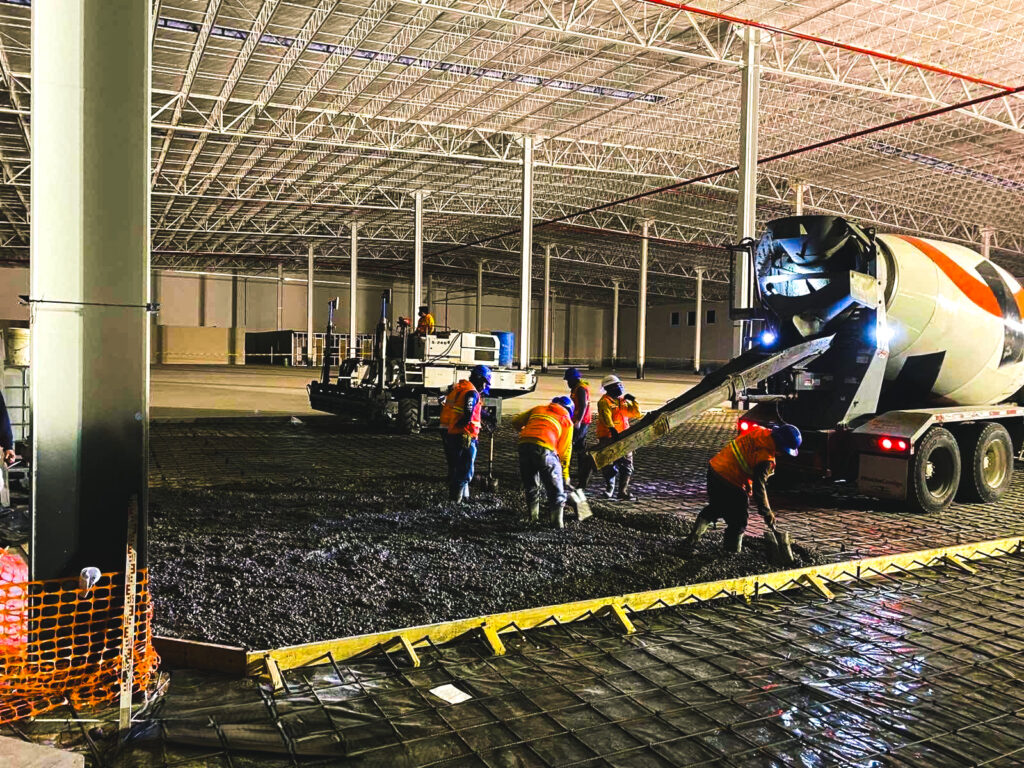
concrete is one of the most important materials in industrial construction, so its strength and quality must be verified.
this is achieved through tests such as slump testing and compressive strength testing.
• ensures structural strength
• guarantees material durability
• allows validation of compliance with technical specifications
in steel structures, welding quality is essential for the stability of the industrial warehouse.
joints must comply with specific standards and be inspected through visual or non-destructive testing.
• ensures structural integrity
• prevents failures in critical connections
• guarantees building safety
proper leveling of floors, structures, and equipment is key to the correct operation of the facility.
especially in industrial floors, poor leveling can affect machinery, logistics, and operations.
• prevents operational issues
• improves equipment performance
• reduces wear on installations
waterproofing protects the warehouse against leaks, moisture, and material deterioration.
it is important to verify proper installation and the quality of the materials used.
• prevents water infiltration
• protects structure and finishes
• extends the building’s lifespan
installations must comply with technical standards and be properly executed to ensure functionality.
this includes operational testing, safety inspections, and capacity validation.
• ensures efficient operation of the warehouse
• reduces electrical or hydraulic risks
• prevents operational failures

• greater structural safety
reduces the risk of failures or accidents
• regulatory compliance
avoids penalties and legal issues
• long-term cost reduction
minimizes corrective repairs
• better operational performance
the warehouse operates efficiently from the start
• greater client confidence
ensures transparency in the project
• cracks in structures or floors
• failures in welds or connections
• leaks and moisture issues
• deficient or hazardous installations
• delays due to on-site corrections
• high maintenance costs
a client should ensure that the project has clear processes for supervision and technical validation.
among the most important aspects to demand are:
• documented progress reports
• material test results
• quality certifications
• specialized technical supervision
• compliance with applicable regulations
having this information allows informed decision-making and ensures project quality.
at bilden, quality control is a comprehensive process implemented at every stage of the project.
from the start of construction, supervision protocols, technical testing, and documentation are established to track each activity.
this approach includes:
• verification of materials before use
• continuous on-site supervision
• execution of technical tests at each stage
• detailed documentation and reporting
• final validation before project delivery
thanks to this methodology, each industrial warehouse is guaranteed to meet the highest standards of quality, safety, and operational performance.
it is the set of processes that verify that materials and construction execution comply with the project’s technical specifications and regulations.
concrete testing, welding inspections, leveling verification, waterproofing review, and installation validation are performed.
it helps prevent structural failures, reduce maintenance costs, and ensure the safety and functionality of the industrial warehouse.
they should request progress reports, test results, certifications, and documented evidence of the project’s quality.
contact us