

learn about the essential preliminary studies before starting an industrial warehouse project: soil mechanics, topography, environmental impact, service feasibility, and risk analysis.
in the development of industrial projects, starting construction without a prior technical evaluation can lead to cost overruns, delays, and structural problems that affect the future operation of the warehouse. for this reason, before laying the first stone it is essential to carry out a series of preliminary studies that allow understanding the real conditions of the land, the surroundings, and the available infrastructure.
these studies allow informed decision-making in the early stages of the project, optimizing the design, reducing risks, and ensuring that construction complies with applicable regulations.
omitting any of these analyses can lead to complex technical problems during construction or even during the operation of the industrial warehouse.
preliminary studies are technical evaluations carried out before the design and construction of an industrial warehouse. their objective is analyze the physical, environmental, and operational conditions of the site, allowing the development of appropriate engineering solutions for each project.
each site presents unique characteristics, so these analyses allow the structural, hydraulic, and operational design of the warehouse to be adapted to the real conditions of the location.
carrying out these studies from the planning stage helps avoid design errors, optimize costs, and ensure the safety of the infrastructure.
1. soil mechanics study
soil mechanics analyzes the physical and mechanical properties of the ground where the industrial warehouse will be built.
this study determines the soil load-bearing capacity, the presence of groundwater and the behavior of the ground under different structural loads.
with this information, the most suitable type of foundation for the project is defined.
• determines the soil strength
• identifies potential settlements
• allows the design of safe and efficient foundations
when this study is omitted, problems may arise such as:
• sinking or differential settlements
• cracks in walls and industrial floors
• structural deformations in the warehouse
2. topographic survey
the topographic study makes it possible to accurately determine the terrain configuration, including slopes, elevation changes, property boundaries, and existing elements.
this information is essential for planning the location of the warehouse, access points, maneuvering yards, and drainage systems.
• defines ground levels and slopes
• allows optimization of earthworks
• facilitates the design of internal roadways and platforms
without an adequate topographic survey, problems may arise such as:
• poor drainage and water accumulation
• higher earthwork costs
• errors in the placement of structures or access points
3. environmental impact study
the environmental impact analysis evaluates how the industrial project may affect the natural environment and which measures must be implemented to minimize these effects.
this study is also necessary to comply with environmental regulations and obtain construction permits.
• identifies potential impacts on soil, water, and air
• establishes environmental mitigation measures
• facilitates the obtaining of regulatory approvals
when this analysis is omitted, the following may occur:
• delays in permits and licenses
• regulatory penalties
• costly project modifications during construction
4. service feasibility study
the service feasibility study analyzes the availability and capacity of the infrastructure needed to operate the industrial warehouse.
this includes services such as:
• electrical power
• potable water
• sanitary and storm drainage
• telecommunications
• road access and transportation
this study allows determining whether the site has the necessary infrastructure or if expansions or new connections will be required.
when service feasibility is not properly analyzed, problems may arise such as:
• insufficient electrical capacity for machinery or processes
• limitations in water supply
• unexpected high costs for external infrastructure
5. risk analysis
risk analysis identifies factors that may affect the safety and operational continuity of the project.
these risks may be related to the natural, urban, or industrial environment.
• flood zones
• proximity to hazardous facilities
• seismic or geological risks
• accessibility for emergency services
conducting this analysis allows the design of prevention and mitigation strategies from the planning stage.
when this study is omitted, the following may occur:
• operational disruptions due to environmental events
• risks to personnel and facilities
• higher correction costs in later stages
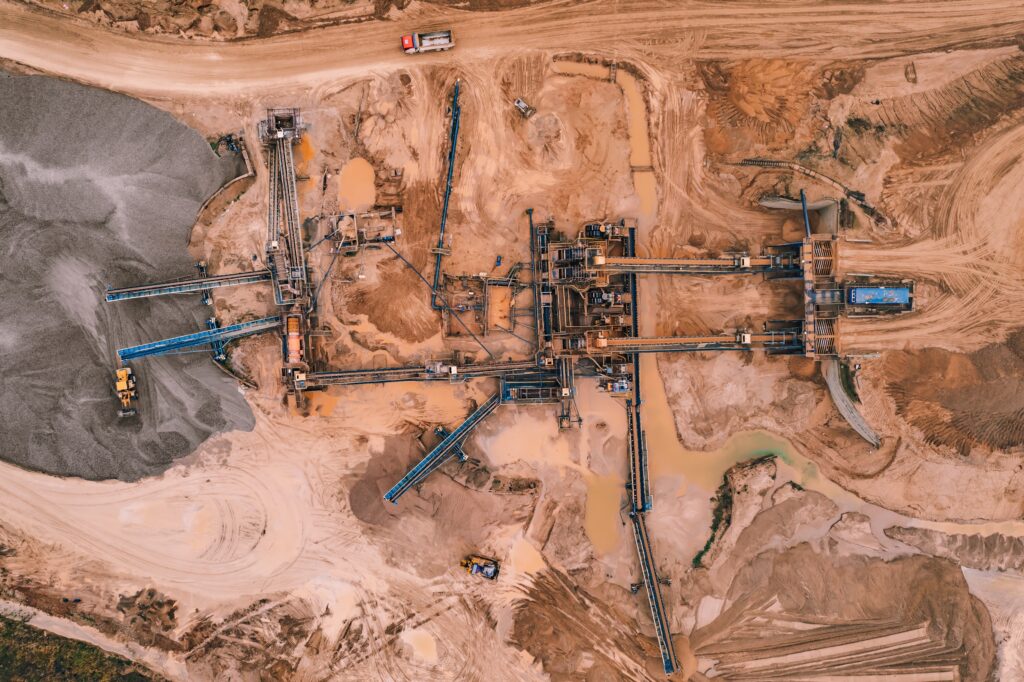
at bilden, preliminary studies are a fundamental part of the planning and development methodology for industrial projects..
before starting the executive design, a comprehensive assessment of the site and project environment is conducted to ensure that every engineering decision is based on reliable technical information.
this approach allows:
• design structural solutions adapted to the site
• anticipate construction and operational risks
• optimize construction times and costs
• ensure compliance with technical and environmental regulations
by integrating these studies from the project's early stages, safe, efficient industrial buildings prepared for real-world operating conditions are developed,reducing risks and ensuring the long-term viability of the investment.
preliminary studies allow for understanding the actual site conditions, infrastructure availability, and environmental risks. this information is essential for designing a safe, efficient industrial building aligned with construction regulations.
the most important studies include soil mechanics, topographic surveys, environmental impact analysis, service feasibility, and risk analysis. these studies allow for informed technical decisions from the planning stage.
if the soil behavior is not analyzed, settlements, structural cracks, or foundation failures may occur. this can lead to costly repairs and affect the safety of the industrial building.
studies must be conducted before the project's executive design, during the planning stage. this allows engineering solutions to be developed based on reliable technical information.
contact us